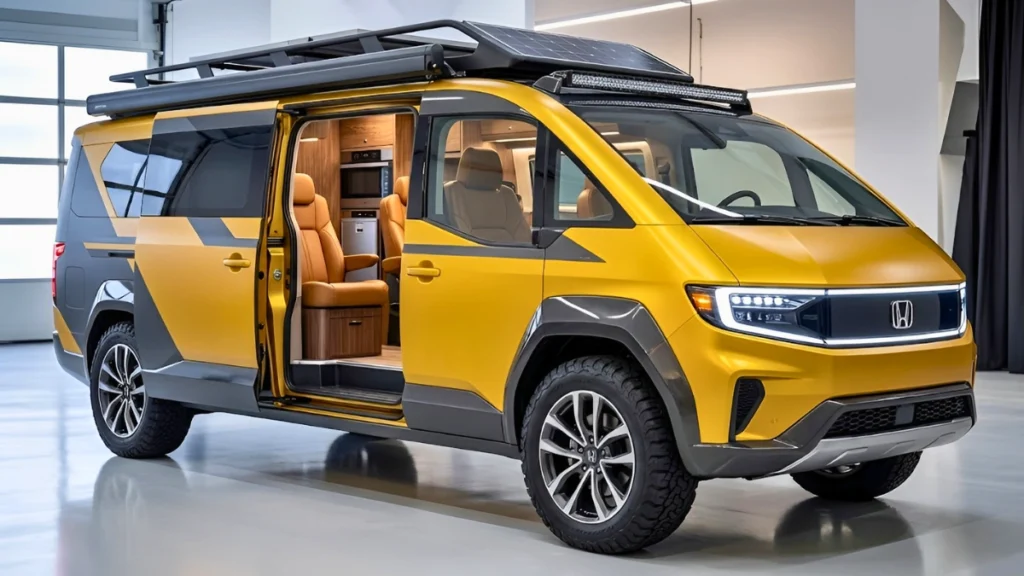
2026 Honda Camper Van Specs: The open road is getting expensive, and the barrier to entry for the van life movement has never been higher. Most modern adventure rigs demand a six-figure investment or a mortgage-sized loan, leaving budget-conscious explorers stuck with tents or unreliable used cargo vans. Honda is poised to shatter this financial blockade with a vehicle that prioritizes clever engineering over massive footprints. The anticipated 2026 Micro-RV concept isn’t just a car; it is a declaration that freedom shouldn’t cost a fortune. This vehicle combines Japanese efficiency with American appetite for adventure, creating a category-killing machine that fits in a compact parking spot.
Price Tag Shocks The Industry
A starting price of $25,000 sounds impossible in today’s inflated automotive market, yet it is the headline feature here. Honda achieves this by stripping away the unnecessary luxury bloat found in Sprinters and Transits, focusing strictly on utility and durability. This aggressive pricing strategy targets Gen Z travelers and retirees alike who value experiences over status symbols. By utilizing an existing kei-car platform modified for global safety standards, manufacturing costs drop significantly. You are paying for essential adventure capability, not heated leather massage seats or redundant chrome accents.
Pillarless Design Opens Wide
One of the most radical engineering feats is the complete removal of the passenger-side B-pillar. When you open the front passenger door and slide back the rear door, you are greeted by a massive, uninterrupted opening that essentially turns the outdoors into your living room. This design choice makes loading bulky gear like kayaks or mountain bikes incredibly easy compared to traditional vans. It also allows for a seamless flow between the campfire and the cabin, making the interior feel twice as large as the exterior dimensions suggest.
Magic Seats Vanish Instantly
Honda has perfected interior flexibility with their legendary “Magic Seat” system, and this camper takes it to a new level. The passenger seat and rear seats don’t just fold; they dive down completely flush with the floorboard to create a perfectly flat surface. This transformation happens in seconds with simple mechanical levers, requiring no heavy lifting or removal of seats. The result is a sleeping platform long enough for a six-foot adult to stretch out comfortably without constructing a permanent wooden bed frame.
Electric Range For Weekend Warriors
The powertrain is expected to be a city-optimized electric system designed for efficiency rather than cross-country marathon driving. With a targeted range of approximately 200 miles on a full charge, it hits the sweet spot for weekend getaways and regional exploration. This range covers the drive from the city to the mountains or the coast without the crushing anxiety of finding a charger every hour. The electric torque also makes navigating steep fire roads or heavy traffic smooth and effortless.
Generator Free Campsite Power
Camping usually requires bulky external batteries or noisy gas generators, but this rig solves that with bidirectional charging. The Vehicle-to-Load (V2L) system allows you to plug standard household appliances directly into the van’s external port. You can power an electric grill, a coffee maker, or a laptop for remote work using the car’s massive traction battery. This integration transforms the vehicle into a mobile power station, eliminating the need to spend thousands on aftermarket solar setups or Jackery power stations.
Boxy Shape Maximizes Volume
Aerodynamics usually dictate curves, but this camper unapologetically embraces the box shape to maximize internal volume. The vertical sidewalls and high roofline mean that every cubic inch of space is usable for storage or living. Unlike sleek SUVs where the roof slopes down and cuts into cargo space, this square profile ensures you can stack bins to the ceiling. It is a triumphant return to function-over-form design, prioritizing the needs of the camper over the wind tunnel data.
Modular Rails For DIY Builders
Customizing a van usually voids warranties and requires drilling holes into the metal chassis, which scares off many owners. Honda addresses this by lining the interior walls with pre-installed utility rails and threaded bolt points. These anchor points allow you to screw in cabinets, shelves, or gear lofts using standard hardware store bolts. It is an open-source approach to interior design that encourages you to build your dream layout without damaging the vehicle’s structural integrity.
Rugged Cladding Protects Paint
The exterior aesthetic leans heavily into the “tough utility” look rather than the fragile glossy finishes of typical crossovers. Extensive scratch-resistant composite cladding wraps around the bumpers, wheel arches, and lower door panels. This armor is designed to take the abuse of gravel roads, rogue shopping carts, and encroaching brush without needing a trip to the body shop. It signals that this vehicle is a tool meant to be used, not a showpiece meant to be pampered in a garage.
Digital Nomad Connectivity Hub
Staying connected is a non-negotiable requirement for the modern traveler, and the dashboard reflects this priority. The infotainment system is stripped back to focus on seamless wireless integration with your smartphone ecosystem. A dedicated signal booster and a built-in Wi-Fi hotspot capability ensure you can attend Zoom calls from a trailhead. Multiple USB-C fast-charging ports are strategically placed near the sleeping area, ensuring your devices wake up fully charged just like you do.
Safety Tech Watchful Eye
Budget vehicles often cut corners on safety, but Honda maintains its high standards even at this price point. The suite of active driver-assist technologies includes collision mitigation braking and road departure mitigation. These systems act as a second pair of eyes, which is critical when driver fatigue sets in after a long day of hiking or driving. Knowing that the vehicle is actively scanning for hazards allows you to relax and enjoy the scenery rather than white-knuckling the steering wheel.
Sustainable Materials Inside Out
The interior materials break away from the cheap, hard plastics of the past in favor of sustainable, durable fabrics. The seat upholstery is expected to be water-repellant and made from recycled ocean plastics, offering durability that wipes clean after a muddy adventure. The floor is lined with a heavy-duty, rubberized material that can be hosed down, making pet hair and sand easy to manage. It creates a cabin environment that feels premium yet ready for the messiness of real life.
Tight Turning Radius Hero
Maneuverability is the secret weapon of the micro-RV, allowing it to go where 25-foot Sprinter vans simply cannot fit. The tiny wheelbase and sharp steering angle provide a turning radius tight enough to flip a U-turn on a narrow two-lane road. This agility is a game-changer for exploring crowded national parks or navigating narrow European-style streets in historic towns. You park in standard compact spots, avoiding the stress of finding “RV Only” parking zones.
Low Maintenance Reliability
Complexity is the enemy of reliability, and this vehicle keeps things mechanically simple to ensure longevity. The electric motor has far fewer moving parts than a combustion engine, meaning no oil changes, spark plugs, or transmission fluid swaps. The suspension is built with robust, proven components shared with other Honda commercial vehicles, ensuring parts are cheap and widely available. This focus on reliability ensures your travel budget goes toward fuel and food, not emergency repairs.
Climate Control For Sleeping
One of the biggest challenges of car camping is temperature regulation at night, but an EV platform solves this elegantly. You can run the climate control system to keep the cabin cool or warm all night without the engine running or emitting exhaust fumes. This “Camp Mode” draws minimal power from the main battery, ensuring a comfortable night’s sleep in any weather. It eliminates the danger of carbon monoxide poisoning and the noise disturbance of an idling gas engine.
The Future Of Solo Travel
This vehicle specifically targets the booming demographic of solo travelers and couples who want agility over excess. It acknowledges that you don’t need a shower and a toilet inside your van to have a life-changing adventure. By downsizing the rig, you upgrade the experience of connecting with the world around you. It encourages living out of your van rather than living in it, pushing you to spend more time outdoors.
Final Word: 2026 Honda Camper Van Specs
The prospect of a 2026 Honda Micro-RV represents the most disruptive shift in the adventure vehicle market in decades. It challenges the assumption that you need wealth to explore the world comfortably and safely. By combining a $25k price point with Honda’s legendary engineering and modern EV tech, it democratizes the road trip. For millions of dreamers waiting for the right moment to leave the driveway, this van isn’t just a new model; it is the permission slip they have been waiting for.